Hungarian Film Industry Hails New Political Era with Péter Magyar's Victory
A New Dawn for Hungarian Cinema: Embracing Hope and Freedom After Political Change
Filmmakers' Collective Joy and Vision for a Liberated Future
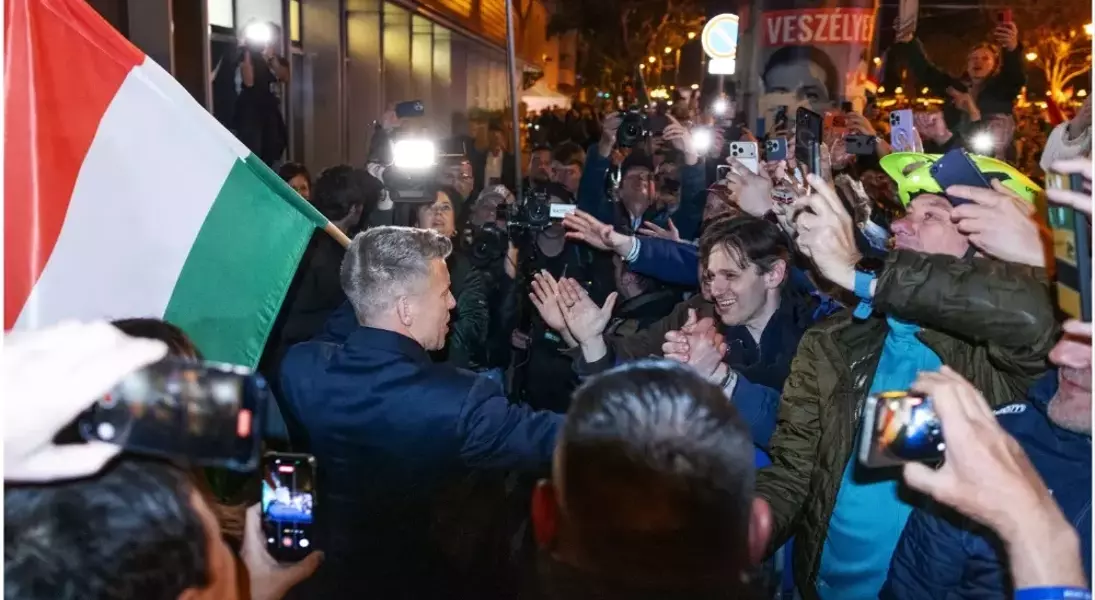
Leading figures within Hungary's film sector have voiced their overwhelming support for Péter Magyar's decisive electoral win. This victory is widely interpreted as a rejection of past restrictions and an embrace of democratic values. Award-winning filmmaker László Nemes, renowned for his Oscar-winning work "Son of Saul," articulated a sentiment of profound liberation, stating that the nation has chosen a path of hope and humanism over oppression. He envisions this political shift as a catalyst for the arts, liberating artists who felt marginalized or silenced by the previous administration and signaling the end of a challenging period for the creative community.
The Democratic Process at Work: A Moment of Euphoria and Renewal
Another prominent Hungarian director, Ildikó Enyedi, whose film "On Body and Soul" received an Oscar nomination, shared her exhilaration from Hong Kong, where she cast her vote. She described the feeling of witnessing the democratic system effectively representing the will of its citizens as "euphoric." Enyedi highlighted the expectation that this new political chapter would initiate a period of healing and a renewed vigilance over political actions, fostering a more responsive and accountable government.
Securing Hungary's Status as a Global Production Hub
Hungary's strong position as a leading location for international film and television productions, particularly with its attractive 30% tax rebate, faced uncertainty under the previous government. Adam Goodman, a managing partner at Mid Atlantic Films, a company involved in major Hollywood projects like the "Dune" franchise, confirmed that Magyar's victory has alleviated these concerns. Discussions during the election period ensured that the incoming administration is committed to stabilizing and supporting the film industry's incentive programs, recognizing its economic importance.
Addressing Legislative Challenges and Media Independence
The new government faces substantial work in reforming Hungary's broader media landscape. Reports from organizations like Reporters Without Borders have consistently highlighted concerns about significant state control over the media. Magyar's administration is expected to undertake a legislative review, potentially amending constitutional provisions, to dismantle existing structures that limit media freedom. This could lead to a more diverse and independent media environment, fostering increased international investment and a loosening of state influence over funding and editorial content.
Anticipated Reshaping of the Media Market and Enhanced Diversity
Rory Gooderick, a research manager at Ampere Analysis, echoed the sentiment of impending change. He predicts that the new government, if successful in unwinding the structures established by the previous Fidesz administration, will significantly reshape Hungary's public service and entertainment media. This is expected to result in a greater variety of local media voices and an increased flow of international investment into the domestic media market, signaling a promising future for independent journalism and creative industries.